

Protect Your UPI: Avoid Scams and Secure Your PIN
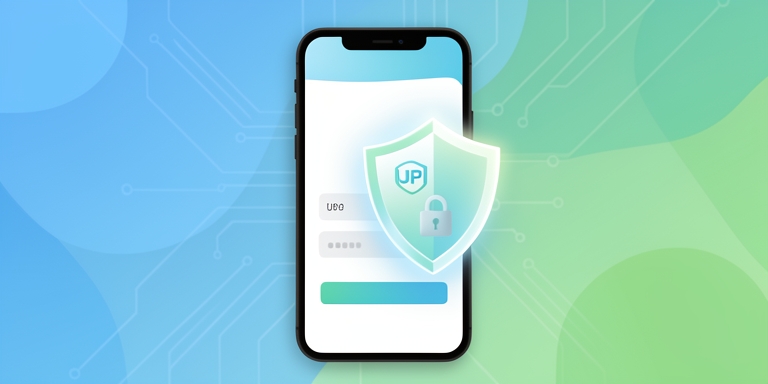
Understanding UPI PIN authentication protocols and preventive measures is critical to safeguarding digital transactions.
When to Authenticate a UPI PIN
The UPI PIN serves as a verification mechanism for transactions initiated by the user. It should only be entered within the official UPI application when the action displayed on the screen is explicitly understood and intentionally executed. For instance, when processing a payment, the user must confirm the recipient’s details, transaction amount, and purpose before entering the PIN. This principle applies to direct transfers to a UPI ID or mobile number. Users must verify that the recipient’s information matches their intended transaction.
According to NPCI’s January 2025 clarification
When to Avoid Entering a UPI PIN
Users must never input their UPI PIN in response to requests from others to receive funds. This includes scenarios involving refunds, cashback offers, prize claims, or marketplace transactions. NPCI’s fraud awareness materials explicitly state that QR code scanning and PIN entry are intended for outgoing payments, not incoming transfers. Scammers often exploit this confusion by persuading victims to authorize transactions under false pretenses.
Prohibited Practices
Sharing the UPI PIN via phone calls, messages, SMS, or screen-sharing sessions is strictly prohibited. Fraudsters may impersonate bank representatives, customer support agents, or merchants to obtain sensitive information. Legitimate support personnel do not require access to the PIN, as it is a private authentication credential.
Receiving Funds and UPI PIN Requirements
No UPI PIN is necessary for receiving money. The sender’s application handles the transaction authentication process. A common scam involves fraudsters claiming to have sent funds and instructing the recipient to enter their PIN to “accept” the transfer. This is a deceptive tactic designed to authorize unauthorized withdrawals.
Understanding UPI Collect Requests
A collect request is a legitimate UPI function that allows users to request payments. However, fraudsters may misrepresent these requests as refunds, verification transactions, or cashback approvals. Victims are often coerced into authorizing payments under the false belief that they are receiving funds. The key defense is to reject unexpected requests unless the sender initiates a direct transfer to a verified UPI ID or account.
QR Code Scams and UPI Transactions
Scanning a QR code provided by an unknown party does not facilitate receiving funds. These codes may encode malicious payment instructions that redirect money to fraudulent accounts. NPCI warns against QR-based schemes offering rewards in exchange for PIN entry. Users should only scan QR codes from trusted sources and avoid engaging with unsolicited requests.
PIN Entry and Fund Deductions
Entering a UPI PIN does not always result in fund deductions. While it authorizes payments during transaction flows, balance inquiries also require PIN authentication without triggering withdrawals. This distinction invalidates the misconception that every PIN entry leads to financial loss. Users should only enter the PIN for actions they have deliberately initiated and verified through the application’s interface.
RBI Authentication Framework Updates
The Reserve Bank of India’s 2025-26 authentication guidelines mandate at least two distinct verification factors for digital transactions. These include knowledge-based (e.g., passwords, PINs), possession-based (e.g., tokens, cards), and biometric factors. The framework allows flexibility in authentication methods, such as UIDAI Face Authentication for UPI PIN resets. However, these updates do not alter the requirement for users to avoid entering PINs for incoming transfers.
Pre-Authentication Verification Steps
Before entering a UPI PIN, users must independently review the transaction details on their screen. Discrepancies between verbal instructions and on-screen prompts indicate potential fraud. For example, if a caller claims a ₹8,000 transfer but the app displays a payment to another party, the user should trust the application’s interface. Avoid rushing through authentication steps or sharing financial credentials during screen-sharing sessions.
Post-Authentication Actions
If a PIN is entered but no funds are deducted, users should first confirm the nature of the transaction. Balance inquiries do not trigger withdrawals, but unexpected collect requests or QR code interactions may indicate fraud. In such cases, immediate review of the account’s transaction history is essential. If the PIN was disclosed to a third party, the credential is compromised, and users should contact their bank through verified channels to secure their account.
Reporting Unauthorized Transactions
Prompt action is critical following suspected UPI fraud. Users should immediately notify their bank via official fraud reporting channels and contact India’s National Cyber Crime Helpline at 1930. Retaining transaction details, screenshots, and communication records is vital for investigation. Fraudsters may impersonate support services, so users must avoid unverified contact numbers.
Refund Policies for UPI Fraud
Refunds are not guaranteed for all fraudulent transactions. RBI’s customer-liability framework considers factors such as bank negligence, third-party breaches, and user actions. Zero liability applies if the fraud results from bank-related issues or qualifying third-party breaches reported within three working days. However, user negligence, such as sharing credentials, may result in financial loss.
Addressing the “Jumped Deposit” Myth
NPCI clarified in January 2025 that receiving a small credit does not grant unauthorized access to an account. Balance inquiries and payment requests are separate processes, and no automatic debit occurs without explicit user authentication. While unexpected credits can be used as a pretext for social-engineering attacks, the technical mechanism for unauthorized withdrawals remains invalid.
The Five-Second PIN Test
Before entering a UPI PIN, users should ask: Did I initiate this action? Does the screen clearly state the transaction type? Am I entering the PIN due to application requirements or external instructions? If the answer to the third question involves external guidance, the user should halt the process. This test helps identify fraudulent scenarios where PIN entry is coerced.
Frequently Asked Questions
-
1. Is a UPI PIN required to receive funds? No. The sender’s authentication process handles incoming transfers.
-
2. Does every PIN entry result in a deduction? No. Balance inquiries require PIN entry but do not trigger withdrawals.
-
3. Should I scan a QR code for a refund? No. Avoid scanning codes from unverified sources.
-
4. Can bank employees request a UPI PIN? No. Legitimate support does not require this information.
-
5. What is a UPI collect request? It is a payment initiation, not an incoming transfer.
-
6. Steps after a fraudulent debit: Report to the bank, contact 1930, and preserve evidence.
-
7. Automatic refunds after three days? Not guaranteed; liability depends on circumstances.
-
8. Safest PIN practice: Never share it, and only enter it for verified actions.
Conclusion
The primary defense against UPI fraud lies in understanding the PIN’s role as an authentication tool. Users must remain vigilant, verify transaction details independently, and adhere to regulatory guidelines to mitigate risks.

About Author








 English