

Top 3 Cybersecurity Questions a Hospital CISO Should Ask a Healthcare Fintech Vendor
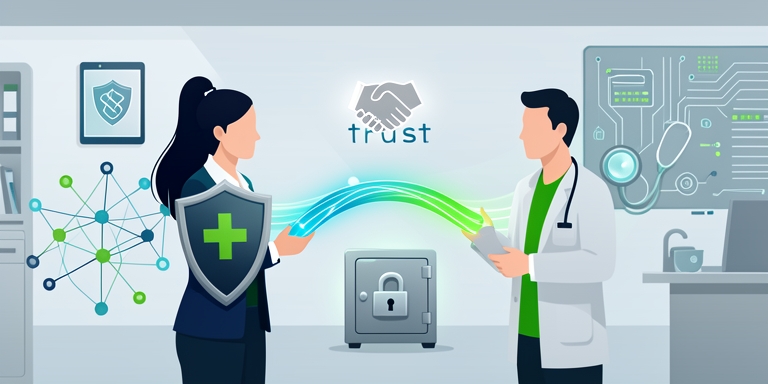
Three questions a hospital CISO should ask a healthcare fintech vendor In a discussion on cybersecurity practices, an executive with dual responsibilities as CTO and CISO at a healthcare technology firm outlines strategies for integrating security into development processes.
Cybersecurity Practices and Development Integration
Security in Development Cycles
The speaker emphasizes that security is embedded in every development cycle, with priority given to issues involving patient data or financial transactions. The organization employs a structured approach to prevent unauthorized access to protected health information (PHI) by its banking partners, ensures human oversight in AI-driven decisions, and prioritizes multi-factor authentication (MFA) as a foundational security measure.
Transparency and Leadership Communication
The organization maintains transparency with leadership through regular progress reviews, ensuring security remains a top priority.
Regulatory and Data Protection Measures
Regulatory Challenges and Compliance
Addressing regulatory challenges, the executive clarifies that their company does not function as a bank but collaborates with financial institutions through credit facilities. This distinction means many banking regulations do not directly apply, though partner banks impose requirements through contractual agreements.
Data Sharing and PHI Protection
To protect PHI during lending processes, the organization limits data sharing to aggregated information at the payer or customer level, avoids exposing claim identifiers, and separates PHI from financial data across systems.
AI and Multi-Factor Authentication
AI Controls and Human Oversight
When asked about controls for AI models handling sensitive data, the executive states that no model should execute actions independently. AI systems may provide recommendations or flag anomalies but require human validation before any financial or data-related decisions are made. The organization emphasizes explainability in AI outputs, ensuring teams can verify model-generated insights against original data sources.
Multi-Factor Authentication and Fund Transfers
The key risk identified is gradual complacency in reviewing AI recommendations, which is mitigated through multi-person decision-making and post-approval audits. The executive highlights that the most prevalent vulnerability in small healthcare practices is the lack of MFA implementation. This control, often included in existing service agreements, significantly reduces risks of account takeovers and payment fraud. The organization also verifies fund transfer changes through phone confirmations using pre-registered contact details.
Three Critical Questions for Hospital CISOs
Requesting Data Access Lists
The three critical questions for hospital CISOs include requesting a complete list of entities accessing patient data, verifying processes for confirming fund transfer modifications, and understanding the vendor’s breach response protocol. A response indicating HIPAA certification alone is deemed insufficient, as no official HIPAA certification exists.
Verifying Fund Transfer Confirmations
The executive stresses the importance of knowing who will contact stakeholders, their roles, and response timelines in the event of a data breach.
Conclusion
The discussion underscores the necessity of rigorous vendor vetting, proactive security measures, and clear communication protocols to safeguard healthcare data and financial systems.

About Author








 English