

Trusted Websites Now Pose Malware Risks: What You Need to Know
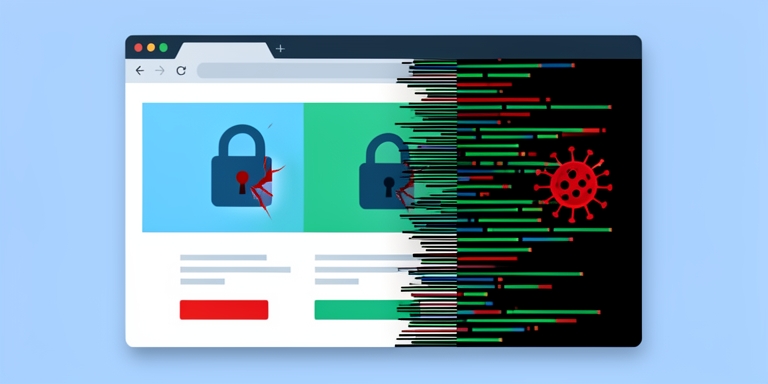
Trusted Websites Are Becoming Malware Traps Malicious actors are exploiting reputable digital platforms, verified user accounts, and recognized software to distribute malicious content, creating deceptive scenarios that obscure harmful activity and complicate user detection.
How Are Trusted Platforms Being Misused?
Attackers are no longer relying solely on overtly suspicious websites or obvious phishing attempts. Instead, they are infiltrating established services and brands that users trust. One instance involved a compromised HBO Max account that was used to deploy 108 malicious advertisements over 48 hours. These ads promoted counterfeit versions of HBO Max, artificial intelligence tools, and development software. Clicking on these links redirected users to fraudulent websites employing a technique called ClickFix, which attempted to coerce users into executing harmful commands.
What Happens After a User Clicks the Ad?
The deceptive websites often mimic legitimate interfaces but do not immediately display overtly malicious content. On Windows systems, users might be directed to PowerShell or the Run dialogue, while macOS users could be instructed to use Terminal. The risk escalates when users execute the provided commands. These actions can deploy information stealers, malicious loaders, cryptocurrency clippers, and counterfeit cryptocurrency wallet applications. Such tools can extract sensitive data, including login credentials, browser history, and cryptocurrency-related information.
Why Are Verified Accounts Being Targeted?
Compromised verified accounts enhance the credibility of fraudulent advertisements. A verified badge, familiar branding, or association with a well-known platform can create the illusion of legitimacy. A campaign observed on X in July 2026 utilized a malware variant designed to extract data, which was distributed through over 1 million ad impressions. This approach leverages the trust users place in verified entities to amplify the reach of malicious content.
How Are Fake Security Checks Used?
Cybercriminals are replicating standard security verification processes, such as CAPTCHA or human-verification pages. Users accustomed to these checks may perceive them as routine, making it easier for attackers to disguise malicious instructions. Instead of traditional verification steps, fake security pages may prompt users to open system utilities and input specific commands. Once executed, these commands can install malware. This method is particularly effective because the originating website may itself be legitimate, allowing attackers to exploit its credibility.
How Are Fake AI Tools Being Used?
Artificial intelligence-based software has also become a vector for deception. Advertisements for OpenAI Codex have been used to target Mac users, with malicious programs masquerading as legitimate developer tools. Searches for popular AI services may lead users to install software they believe is affiliated with reputable companies. In 2026, 92,000 attacks disguised as AI services were identified, with fake ChatGPT applications accounting for 49% of cases. Fake Claude and Gemini applications each represented 18% of incidents. Over 15,000 malware samples were also discovered posing as agentic AI software, including trojans, spyware, and exploit kits.
Why Are These Attacks Harder to Recognise?
The central strategy of these campaigns is to exploit trust. Malicious advertisements can appear under verified accounts, fake security pages, or familiar branding, making it difficult for users to distinguish between legitimate and harmful content. In some cases, the critical step of executing a command occurs only after the victim is persuaded to take specific actions. This shifts the burden of detection from the platform to the user, increasing the likelihood of successful exploitation.
What Should Users Watch For?
Users must exercise caution when encountering unexpected requests to copy and paste commands into system utilities like PowerShell, Terminal, or the Run dialogue. Software promoted through advertisements should be scrutinized before installation, especially if it claims to be a popular AI or development tool. A verified account, recognizable brand, or professionally designed security page does not guarantee safety.
The Growing Use of Legitimate Platforms in Malware Campaigns
The increasing reliance on trusted websites, verified accounts, and familiar security interfaces is redefining the appearance of malware traps. Traditional indicators of compromise, such as suspicious URLs or unfamiliar domains, are no longer sufficient. Instead, users must remain vigilant against unexpected system command requests, even when they originate from platforms they trust. Malicious actors are continuously adapting their tactics to exploit user confidence in established digital ecosystems. As these methods evolve, maintaining a proactive approach to digital hygiene and technical awareness is critical for mitigating risks.

About Author








 English